Can't find what you're looking for? Get in touch!



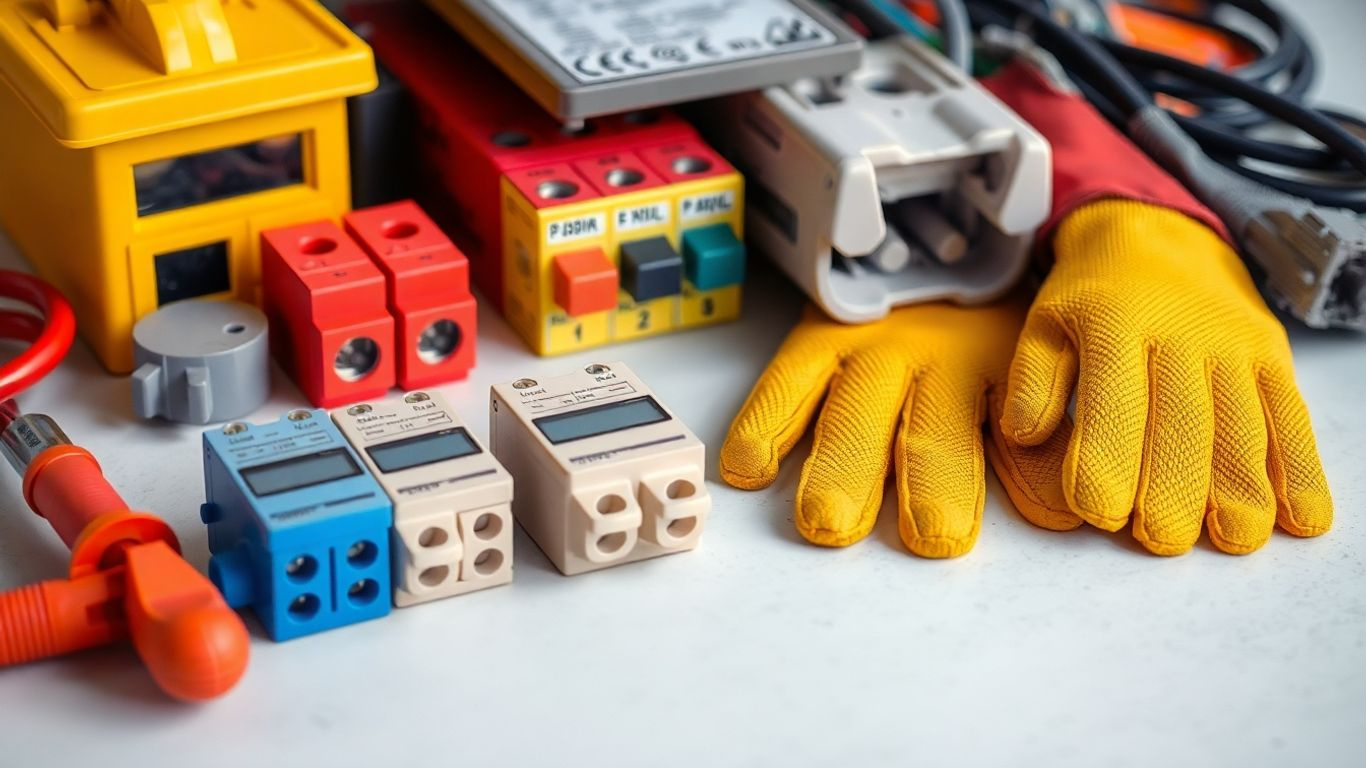
Working with electricity in Malaysia requires a sharp focus on safety. It's not just about getting the job done; it's about making sure everyone goes home safe at the end of the day. This guide looks at the gear you need to stay protected, from the basic stuff to the more specialized items. We'll cover what to look for, how to use it right, and why following the rules is so important. Think of this as your go-to resource for understanding Electrical Safety Products Malaysia and keeping risks way down.
Key Takeaways
- Understand voltage levels and the risks tied to them. Higher voltage means more serious dangers, so match your gear to the job.
- Follow the safety steps: eliminate hazards first, then use controls, and finally, rely on personal protective gear like gloves and clothing.
- Specialized gear like arc-flash suits, insulating mats, and insulated tools are vital for specific high-risk tasks.
- Always test your equipment. Voltage detectors, insulation testers, and other measurement devices help confirm safety before you start work.
- Having rescue gear, first-aid, and clear communication plans is key for handling emergencies effectively.
Essential Electrical Safety Products in Malaysia

Working with electricity, especially in Malaysia's diverse industrial and residential settings, means you absolutely need the right gear. It's not just about following rules; it's about making sure everyone goes home safe at the end of the day. We're talking about everything from the basic stuff you wear to the specialized tools that keep you protected when things get tricky.
Understanding Voltage Classes and Risk Profiles
Electricity isn't just one thing; it comes in different strengths, and the risks change a lot depending on that strength. We usually break it down into a few categories:
- Low Voltage (LV):This is what you'll find in most homes and small businesses, typically up to 1,000 volts. The main worry here is electric shock.
- Medium Voltage (MV):Think industrial sites, larger buildings, and some utility work. This is usually between 1,000 and 35,000 volts. The risk of shock is higher, and arc flash events start becoming a bigger concern.
- High Voltage (HV) & Extra-High Voltage (EHV):This is for power transmission lines and major industrial plants, going way above 35,000 volts. Here, arc flash, insulation breakdown, and maintaining safe distances are the big issues.
The higher the voltage, the more serious the potential consequences of an accident. Even when a system is supposed to be off, you can still have dangers like trapped charges in cables or induced voltages from nearby live lines. That's why simply assuming something is safe isn't enough; you have to actively prove it.
The Hierarchy of Controls in Electrical Safety
When we talk about safety, there's a way to think about it that puts the most effective methods first. It's like a ladder, and you always want to climb as high as you can:
- Elimination:Can we just get rid of the hazard altogether? Maybe by doing the work remotely or not needing to work on that part at all.
- Substitution:Can we use a safer method or a less dangerous piece of equipment?
- Engineering Controls:These are physical things that isolate people from the hazard, like safety guards, interlocks on equipment, or physical barriers.
- Administrative Controls:This is about procedures, training, signs, and permits. Things like having a clear work plan, proper lockout/tagout procedures, and making sure everyone knows the risks.
- Personal Protective Equipment (PPE):This is the last line of defense – the gloves, helmets, and clothing. It's super important, but it's there because the other steps weren't enough on their own.
It’s important that everyone, from management setting the rules to the workers on the ground, understands their part in this. Management needs to provide the resources and policies, engineers need to design safe systems, and frontline workers need to follow procedures and use their PPE correctly. Challenging unsafe conditions is everyone's responsibility.
Key Equipment for Low, Medium, and High Voltage Systems
Different voltage levels need different types of protection. Here’s a quick look at some common gear:
- Insulated Gloves:These are graded by class (Class 00, 0, 1, 2, 3, 4) based on how much voltage they can safely handle. You absolutely must use the correct class for the job. They're made from rubber or similar materials and need regular testing.
- Arc-Flash Protective Clothing:For higher voltages, arc flashes are a major risk. This clothing, including suits, hoods, and face shields, is designed to withstand the intense heat and pressure of an arc blast. The level of protection is measured in calories per square centimeter (cal/cm²).
- Insulating Mats and Barriers:These are used on the ground or around work areas to prevent dangerous step and touch potentials, especially in substations or areas with exposed conductors.
- Operating Sticks (Hot Sticks):These are long, insulated poles used to operate switches, disconnects, or test equipment from a safe distance, keeping the worker away from live parts.
- Voltage Detectors:Simple tools to confirm if a circuit is actually dead before you touch it. They come in various forms, from non-contact testers to more robust models.
- Insulation and Earth Resistance Testers:These devices check the integrity of insulation in equipment and verify that grounding systems are effective. They help predict potential failures and confirm safety conditions.
Choosing the right equipment for the specific voltage class and task is non-negotiable. It's about matching the protection to the risk.
Protective Gear for Electrical Work
When you're dealing with electricity, the right gear isn't just a suggestion; it's a necessity. We're talking about keeping yourself safe from shocks and other nasty surprises that can happen when working with live circuits. Think of this gear as your first line of defense.
The Critical Role of Insulated Gloves
Insulating gloves are probably the most talked-about piece of electrical safety equipment, and for good reason. They're made from special rubber compounds designed to stop electricity from flowing through your body. These aren't your average gardening gloves; they're built to handle specific voltage levels. It's super important to pick the right class of glove for the job. Using gloves rated for low voltage when you're working with high voltage is a recipe for disaster.
There are different classes of insulating gloves, each rated for a maximum voltage. It's like having different levels of protection.
- Class 00:Up to 500 volts AC
- Class 0:Up to 1,000 volts AC
- Class 1:Up to 7,500 volts AC
- Class 2:Up to 17,000 volts AC
- Class 3:Up to 26,500 volts AC
- Class 4:Up to 36,000 volts AC
Always check the voltage you'll be working with and choose gloves that meet or exceed that requirement. You can find a wide range of reliable PPE Malaysia gloves designed for various industries.
Selecting High-Quality Electrician Gloves
Picking out the right pair of electrician gloves involves a few key things. First off, the insulation rating is a big deal, as we just talked about. But you also need to think about what the gloves are made of. Rubber is great for insulation, but sometimes you need something tougher for protection against cuts or scrapes. That's where leather protector gloves come in. These are worn over your insulating gloves to give them a bit of armor against physical damage, which helps them last longer.
Comfort and how well you can move your hands are also super important. If your gloves are too stiff or bulky, you're going to have a hard time doing precise work, and that can lead to mistakes. Look for gloves that fit well, allow for good dexterity, and maybe even have features like moisture-wicking liners to keep your hands dry. A good fit means better control and less chance of slipping.
Maintenance and Replacement of Insulating Gloves
Even the best gloves won't protect you if they're damaged. So, taking care of them is a big part of the safety routine. Before every single use, you need to give them a good once-over. Look for any nicks, cuts, holes, or signs of wear and tear. A simple way to check is to inflate them slightly with air and listen for leaks, or just do a thorough visual inspection.
Proper care and regular inspection of your insulating gloves are non-negotiable steps in electrical safety. Neglecting this can turn a reliable safety tool into a dangerous liability.
If you find any damage, don't try to patch them up or use them anyway. It's time for a new pair. Also, keep in mind that insulating gloves have a shelf life and need to be tested periodically, usually by the manufacturer or a certified lab, to make sure their insulating properties are still up to par. Check the manufacturer's recommendations for testing schedules and storage guidelines to keep them in top condition.
Specialized Electrical Safety Equipment
Beyond the basics, certain situations call for gear that's a bit more specific. We're talking about equipment designed to handle extreme conditions or provide an extra layer of protection when standard measures might not be enough. Think arc-flash gear, special mats, and tools that let you work from a distance.
Arc-Flash Protective Clothing
When electricity goes wrong, it can create an arc flash – a super intense burst of heat, light, and pressure. It's seriously dangerous. Arc-flash protective clothing is made to shield workers from this. It's not just one item; it's usually a system that includes a hood, jacket, pants, and sometimes even special underwear. The key is that the fabric has an arc rating, measured in calories per square centimeter (cal/cm²), which tells you how much energy it can withstand before it fails. You need to match this rating to the potential arc flash hazard at the job site.
Here's a quick look at what goes into arc-flash protection:
- Hoods and Face Shields:These cover your head and face, protecting your eyes and skin from the intense flash and heat. Some have clear visors, others are more like hoods.
- Shirts and Jackets:Made from arc-rated fabrics, these cover your torso and arms.
- Pants:Similar to jackets, these protect your legs.
- Coveralls:These are one-piece suits that offer full body coverage.
- Balaclavas and Gloves:These provide protection for your neck, head, and hands, often worn under the main gear.
It's vital that this clothing fits well and covers all exposed skin. Gaps can let the arc energy in, defeating the purpose of the gear.
Insulating Mats and Barriers
Sometimes, you need to create a safe zone or prevent accidental contact with energized parts. That's where insulating mats and barriers come in. Insulating mats are placed on the floor, especially in front of control panels or switchgear. They help prevent dangerous step potentials – where a voltage difference can exist between your feet if you're standing on ground with different electrical potentials. These mats are rated for specific voltage levels, so you pick the right one for the job.
Barriers, on the other hand, are physical structures used to keep people away from hazardous areas. Think temporary fencing or screens that clearly mark off a work zone. They're a good way to manage approach distances and prevent unauthorized access.
Operating Sticks and Insulated Tools
When you need to operate switches, open breakers, or move equipment from a safe distance, operating sticks (often called 'hot sticks') are your best friend. These are long, non-conductive poles made from fiberglass or similar materials, with attachments at the end to grab or manipulate electrical components. They allow workers to maintain a safe distance from live parts, significantly reducing the risk of shock.
Insulated tools are also a must-have. These are everyday tools like pliers, screwdrivers, and wrenches that have a thick layer of insulating material covering the metal parts. This insulation is rated for specific voltages. Using insulated tools is a simple but effective way to protect yourself if you accidentally touch a live conductor.
Proper care and regular inspection of these specialized items are non-negotiable. Contamination, damage, or wear can compromise their insulating properties, turning a safety device into a hazard. Always follow manufacturer guidelines for cleaning, storage, and testing.
Testing and Measurement Devices
When you're working with electricity, especially in Malaysia where regulations are strict, having the right tools to check things is super important. It's not just about getting the job done; it's about making sure nobody gets hurt. These testing and measurement devices are your eyes and ears when it comes to confirming that circuits are safe to touch.
Voltage Detectors for Proving Dead
This is probably the most basic, yet one of the most critical, steps before you start any electrical work. You absolutely need to confirm that a circuit is de-energized. A voltage detector does just that. It's designed specifically to indicate the presence or absence of voltage. Don't ever rely on just looking at a switch or assuming something is off.
- How they work:Most use capacitive coupling to sense voltage. When you touch the probe to a conductor, if there's voltage present, it'll give you a signal, usually an audible beep and a visual light.
- Types:You've got non-contact voltage testers (NCVTs) that can detect voltage without touching the conductor, and contact testers that require direct contact. For proving dead, a contact type is generally preferred for certainty.
- Key point:A multimeter measures voltage, but a voltage detector confirms the absence of voltage. They aren't interchangeable for this safety step.
Insulation and Earth Resistance Testers
Once you've proven a circuit is dead and you're ready to work, or when you're installing new equipment, you need to check the integrity of the system. Insulation resistance testers (often called megohmmeters or 'meggers') check how well the electrical insulation is holding up. Bad insulation can lead to shorts or shocks. Earth resistance testers, on the other hand, verify that your grounding system is effective. A good earth connection is vital for safety, providing a path for fault current to go safely to the ground.
- Insulation Testers:Apply a high DC voltage to the insulation and measure the resistance. High resistance means good insulation; low resistance is a warning sign.
- Earth Resistance Testers:Measure the resistance of the earth electrode and the soil around it. Low resistance is what you want here.
- Why they matter:These testers help you spot problems before they become dangerous failures. They're great for routine checks and for troubleshooting.
Phase Comparators for Safe Paralleling
This one is more for when you're dealing with systems that might have multiple power sources or when you need to connect different parts of a grid together. A phase comparator helps you make sure that two circuits or sources are in sync – meaning they have the same voltage, frequency, and phase angle – before you connect them. Trying to connect out-of-sync sources can cause serious damage to equipment and create hazardous conditions. It's all about making sure everything lines up perfectly before you flip that switch.
The golden rule for electrical work is simple: prove dead, apply earths, then start work. Testing devices are your primary tools for the 'prove dead' step. Always use the right tool for the job, and never skip these checks, no matter how experienced you are or how familiar you are with the system.
Remember, these tools aren't just gadgets; they are vital pieces of safety equipment. Keeping them in good condition, calibrated, and knowing how to use them properly is part of being a responsible electrician or technician in Malaysia.
Emergency Preparedness and Rescue
When working with electricity, things can go wrong fast. Having a solid plan for emergencies isn't just a good idea; it's a must. This means having the right gear ready to go and knowing how to use it.
Rescue Hooks for Shock Incidents
If someone gets shocked, the first thing you need to do is get them away from the power source. But you can't just grab them – you'd get shocked too! That's where a rescue hook comes in. It's basically a long, non-conductive pole with a hook on the end. You can use it to pull the person to safety without putting yourself in danger. Always keep these easily accessible near work areas.
First-Aid Kits and AEDs
Once the person is safe, you need to act quickly. A well-stocked first-aid kit is vital for treating burns or other injuries. More importantly, having an Automated External Defibrillator (AED) on-site can be a lifesaver. In cases of cardiac arrest, immediate defibrillation significantly increases the chances of survival. Knowing where these are and how to use them is part of your emergency plan.
Emergency Lighting and Communication
Imagine an emergency happens in a dimly lit area or during a power outage. It's chaos. Good emergency lighting ensures clear paths for evacuation and allows rescuers to see what they're doing. Reliable communication is also key. Whether it's radios or charged mobile phones, you need a way to call for help and coordinate the response. Don't forget to test these systems regularly.
Standards and Compliance in Malaysia
When you're dealing with electricity, especially in a professional setting here in Malaysia, making sure everything meets the right standards is super important. It's not just about following rules; it's about keeping people safe and making sure your equipment works right.
Key Certifications for Electrical Safety Products
Lots of electrical safety gear needs to meet specific benchmarks to prove it's up to the job. In Malaysia, you'll often see references to international standards, which is a good sign. For things like insulated gloves, you'll want to look for certifications that show they've been tested for electrical resistance. Standards like IEC 60903 are common for gloves used in live working environments. For other equipment, like circuit breakers or wiring, compliance with Malaysian standards (MS) or international equivalents is usually required. Always check the product's documentation for its certification marks.
Documentation and Record Keeping
Keeping good records is a big part of electrical safety compliance. This means having all the paperwork for the safety equipment you buy. Think about things like:
- Certificates of conformity
- Test reports for insulating equipment
- Maintenance logs for safety gear
- User manuals and instructions
This documentation helps you prove that your equipment is safe and has been looked after properly. It's also really helpful if you ever need to track down a problem or show an inspector that you're doing things by the book.
Choosing Reputable Malaysian Manufacturers
Finding reliable suppliers is key. Malaysia has a strong manufacturing base, especially for rubber products, which is great for things like insulated gloves. When you're looking for suppliers, try to find ones that:
- Have a good track record in the industry.
- Can provide clear details about their products and the standards they meet.
- Offer good customer support, including after-sales service.
It's often a good idea to ask for samples or check reviews if possible. Buying from a known, reputable source usually means you're getting products that are built to last and meet the safety requirements you need. Don't be afraid to ask questions about their manufacturing processes and quality control measures.
Staying compliant isn't just a one-time thing. It requires ongoing attention to detail, regular checks, and a commitment to using only certified and well-maintained safety equipment. This proactive approach is what truly protects workers and prevents accidents.
Wrapping Up: Staying Safe with the Right Gear
So, we've gone over a bunch of stuff about electrical safety products here in Malaysia. It’s a lot to take in, I know. But really, it all boils down to picking the right tools for the job and using them correctly. Whether it's gloves that actually protect you from shocks, or those other bits and pieces that keep things from going wrong, having good gear is super important. Don't just grab the cheapest thing you see; think about what you're actually doing and what could happen. Taking a bit of time to get this right means you can get your work done without worrying so much about getting hurt. Stay safe out there.
Frequently Asked Questions
What's the main goal of this guide about electrical safety gear in Malaysia?
This guide helps you figure out the right safety gear for different electrical jobs, whether it's low, medium, or high voltage. It explains the risks, what gear to use, and how to keep it in good shape, making sure your work is safe and meets all the rules.
Why is it still important to put temporary grounds on wires even after they've been turned off?
Even when power is off, wires can still hold a lot of stored electricity or get power from nearby lines. Adding temporary grounds safely drains this extra power and protects workers from unexpected shocks. It's a crucial step after proving the wires are dead.
How do I pick the right protective clothing for arc flashes?
You need to know how much energy a potential arc flash could release at your work location. Then, you choose clothing and gear that can handle at least that much energy. Make sure the gear covers everything, like your neck and wrists, to prevent any gaps.
Can I use a regular multimeter to check if wires are safe to touch?
No, a multimeter is for measuring voltage, not for confirming that a wire is dead. You need a special voltage detector designed specifically to prove that there's no power before you start working. It's a vital safety step.
How often should my electrical safety gear be tested or checked?
It's important to follow the manufacturer's advice and any official standards. The frequency also depends on how often you use the gear. Keeping good records helps you know when the next test or check is due and prevents you from using old, unsafe equipment.
What's a simple but effective way to improve electrical safety?
A great improvement is to make sure all safety gear has clear tracking. Use things like QR codes or RFID tags on your equipment. This makes it easy to see when it was last checked, when it's due for testing, and prevents anyone from accidentally using gear that's past its safe date.
